
Search engines have changed. For years, success meant ranking high enough on a results page to earn a click. That model still exists, but a new layer has arrived. AI-powered search tools now answer questions directly, often without sending users to a website at all. For businesses that depend on organic traffic, this shift raises a serious question: how do you stay visible when the search engine no longer needs to send anyone your way?
The answer is AI-driven search optimization, also called Generative Engine Optimization, or GEO. It is the practice of shaping your website and content so that AI search systems understand, trust, and cite your work. This article explains what that means, why it matters, and where to start.
What Is AI-Driven Search Optimization?
AI-driven search optimization is the process of preparing a website to be discovered, understood, and referenced by generative AI search tools. Traditional SEO focused on rankings, keywords, and links within a list of blue results. GEO focuses on making your content the source an AI model chooses when it composes an answer.
The distinction matters. AI search engines such as ChatGPT, Bing’s new AI search, and Google’s Search Generative Experience have transformed how users discover information online. These models are built to answer questions directly. They often reference content without necessarily linking to it. Your brand can appear inside an AI answer even when no one clicks through to your site.
That is why experts treat this as a new discipline rather than a simple update to SEO. AI search optimization combines technical SEO fundamentals with content strategy, structured data, and authority signals that help large language models trust what you publish. Google itself now publishes a guide to optimizing for generative AI features, a clear sign that this practice has become part of mainstream search.
How Generative AI Changed Search Behavior
To understand AI-driven search optimization, it helps to see how search behavior has shifted. Generative AI tools like Gemini, formerly known as Bard, along with ChatGPT, Google AI Mode, and Google AI Overviews, deliver dynamic, multimodal responses. A user can ask a complex question and receive a synthesized answer, a comparison, or a recommendation pulled from multiple sources.
That behavior has consequences for businesses. When search results were a list of links, visibility meant appearing on page one. Now visibility means being selected as a reference by an AI model. The model decides which sources to trust, which facts to include, and which brands to name. If your content is not structured in a way the model can parse, it may be passed over entirely.
The shift also changes user expectations. People no longer need to visit several websites to compare answers. The AI does the comparison for them. For businesses, the path from query to conversion has changed. Attracting visitors now depends on being quoted, cited, or recommended inside AI-generated answers.

Why Traditional SEO Tactics Need an Update
None of this means traditional SEO is dead. Technical fundamentals still matter. But the measurement system that guided SEO for years needs an update.
AI search optimization requires new metrics to gauge success. Traditional keyword tracking becomes less relevant as AI-driven results are less about a specific ranking position and more about which content the model chooses to use. You cannot check your position for a query when the answer is generated in a paragraph by an AI assistant.
Instead, brands need to track citation mentions, brand visibility inside AI answers, and the quality of the sources the model draws upon. This is a different kind of measurement. It is based on presence and trust rather than rank and click-through rate alone.
The fundamentals still support the larger goal. Clear site structure, fast pages, accurate metadata, and reliable hosting all help AI systems interpret your content. If a search engine cannot crawl your site consistently, an AI model will struggle to trust it.
Core Strategies for Generative Engine Optimization
Generative Engine Optimization is not one single tactic. It is a combination of approaches that make your content the natural choice for an AI model. Several strategies stand out in current guidance.
Structured Data and Technical Clarity
Structured data helps machines understand the meaning and relationships of the content on your page. When you mark up your pages with schema, you give AI systems explicit clues about what your business does, what your articles cover, and who you serve. This makes it easier for generative models to pull accurate information from your site.
Google’s official best practices reinforce this point. A clear information architecture, descriptive titles, and logically organized pages all help AI features interpret your content correctly. If your site is cluttered or ambiguous, the model may look for a clearer source.
Visuals and Multimedia
AI search systems are increasingly multimodal, meaning they work with more than just text. Images, diagrams, and video can strengthen the value of your content and make it more likely to be referenced. Descriptive file names, alt text, and embedded graphics all contribute.
Visuals also improve the user experience. A page that answers a question clearly, with supporting graphics, is more likely to be seen as authoritative. That authority matters when an AI model decides which source to cite.
Social Proof and Authority Signals
Generative models favor content that reflects credibility. Social proof, such as customer testimonials, reviews, and case studies, signals that your business is trusted by real people. These elements give AI systems more confidence in your brand.
This is especially important for local businesses. AI search optimization guidance suggests that social proof and structured data work together to win visibility in AI-driven results and local SEO. When a model answers a local query, it looks for businesses with strong reputations and consistent information across the web.
Co-Occurrence and Citation Optimization
One of the newer concepts in this space is co-occurrence optimization. It refers to the relationships between terms that appear together in content. When your website consistently discusses certain topics alongside related concepts, AI models learn to associate your brand with that subject area.
Citation optimization is the practice of ensuring your brand is mentioned and cited in contexts that build authority. If other trusted sources reference your content, AI models are more likely to treat you as a credible source. This goes beyond traditional link building. It means becoming part of the conversation in a way that models can detect.
Practical Steps to Optimize Content for AI Search
Putting these strategies into practice requires a systematic approach. Current guidance suggests auditing, structuring, and enhancing your content.
Audit What You Already Have
Before creating anything new, review your existing content. Ask whether each page answers a clear question. Identify pages that are thin, outdated, or loaded with vague claims. AI models favor content that is comprehensive and specific, so an honest audit will reveal where you are falling short.
Look for gaps between what your audience asks and what your site answers. The queries people type into AI assistants tend to be longer and more conversational than traditional keyword searches. Your content should reflect those natural language patterns.
Structure for Direct Answers
AI models reward content that is easy to parse. Write clear headings, keep paragraphs focused, and place the most important information near the top of the page. Answer the core question early, then support it with detail.
Lists, tables, and bullet points also help. These formats are easy for AI systems to summarize and often appear in generated responses. If your content is buried in long paragraphs, the model may struggle to extract a clean answer.
Enhance With Details and Proof
Generative models prefer content with depth. Add specific examples, relevant data, and expert commentary where you can. Make sure every claim is accurate, because AI systems are getting better at identifying low-quality sources.
Enhance your content with visuals, quotes, and links to reputable references. The richer and more verifiable your content, the more likely an AI model will treat you as a primary source. Rich snippet optimization also plays a role here, since clearly formatted answers are easier for AI systems to lift into a response.

Local Search and AI Recommendations
Local businesses face a particular set of challenges and opportunities in AI search. AI-driven search models leverage precise location data to deliver recommendations for “near me” search queries. This means optimizing for local visibility is more important than ever.
When a user asks an AI assistant for a restaurant, a service provider, or a shop nearby, the model draws on structured data, reviews, and directory listings. Businesses with accurate and consistent information across the web are more likely to be recommended.
Social proof matters here too. Positive reviews and strong local signals help AI models distinguish between credible businesses and those with weaker reputations. If your business profile is incomplete or inconsistent, the model may recommend a competitor instead.
Using AI Tools to Improve Your SEO Workflow
AI-driven search optimization is not only about preparing for AI search results. You can also use AI tools to make your own optimization efforts more effective.
AI-powered tools can automate time-consuming tasks such as keyword research, content optimization, and link building. By using AI for SEO optimization, businesses can identify the best-performing keywords, help predict future search trends, and optimize their content with greater speed.
The key is to treat AI as a collaborator, not a replacement. Use the tools to surface patterns and opportunities, then apply human judgment to shape the final content. Your audience still expects a human voice, and the best AI search optimization balances machine efficiency with genuine expertise.
Measuring Success in an AI Search World
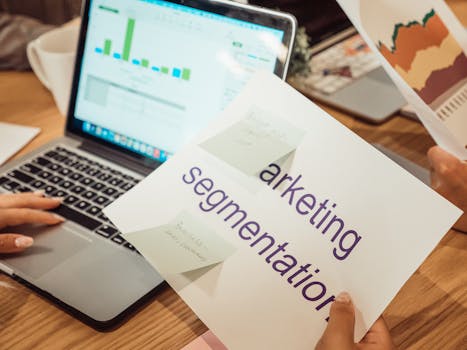
The old metrics will not tell you everything you need to know. AI search optimization requires new metrics to gauge success. As traditional keyword tracking becomes less relevant, you need to look for different signals.
Track how often your brand appears in AI-generated answers. Monitor the sources that AI models reference for your key topics. Pay attention to the questions users ask and how those questions evolve. These signals reveal whether your content is being selected by generative systems.
Engagement metrics still have a place. Time on page, return visits, and direct traffic indicate that you are building an audience, not just earning a citation. In the AI search era, visibility and trust go hand in hand.
Frequently Asked Questions
What is Generative Engine Optimization (GEO)?
Generative Engine Optimization is the practice of optimizing content so that AI-powered search engines and large language models select it as a reference when generating answers. Unlike traditional SEO, which targets rankings in a list of links, GEO focuses on making your brand visible and credible inside AI-generated responses. It combines technical fundamentals with content strategy.
Does traditional SEO still matter for AI search?
Yes. Technical fundamentals like site structure, fast loading, structured data, and clear metadata still support AI search visibility. However, the measurement system changes. Traditional keyword tracking becomes less relevant as AI-driven results are less about ranking position and more about which content the model chooses to use. The two disciplines work together in a complete strategy.
How do AI search engines decide which content to cite?
AI models weigh several factors, including content clarity, structured data, authority signals, co-occurrence of related terms, and social proof. They favor sources that answer questions directly and comprehensively. Citation optimization also helps. When other trusted sources reference your content, AI models are more likely to treat your brand as a credible source for answers.
Do I need new tools for AI-driven search optimization?
You can begin with a content audit and clearer page structure. AI-powered tools help by automating keyword research, content optimization, and link building. They can also help predict future search trends. New measurement approaches are useful too, because traditional ranking metrics are less meaningful in AI-generated results. Start with the basics, then add tools as needed.
How will AI search affect my website traffic?
AI search engines often answer questions directly, sometimes without linking to websites, so traffic patterns will shift. Brands can stay visible by becoming a source that AI models cite. If your content is referenced, you gain exposure even when users do not click through. You can still earn visits from people who want more detail.
AI-driven search optimization is not a temporary trend. It is the way search works now, and it will continue to evolve. The businesses that adapt their content, technical setup, and measurement approach will remain visible as generative tools become the first stop for more and more questions. Start with an honest audit of your content, strengthen your structure and authority signals, and treat AI search as an opportunity to become a trusted source rather than a competitor to fight.